
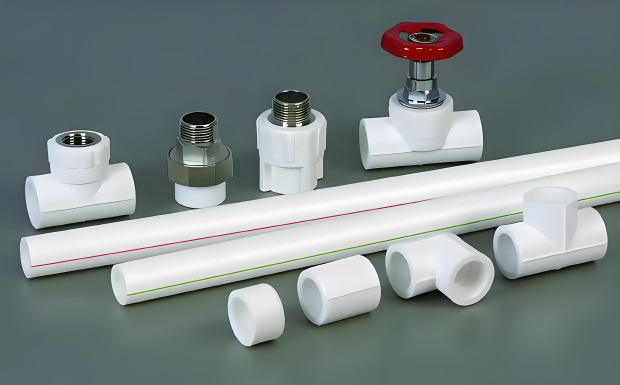
Laboratory water and gas pipeline connections have extremely high requirements, and Howei provides clean, convenient, and durable laboratory-specific connection fittings. Howei offers a variety of laboratory connection fittings with advantages such as chemical corrosion resistance, a wide temperature range, and reliable sealing.
Explore by Category
Explore more Categories
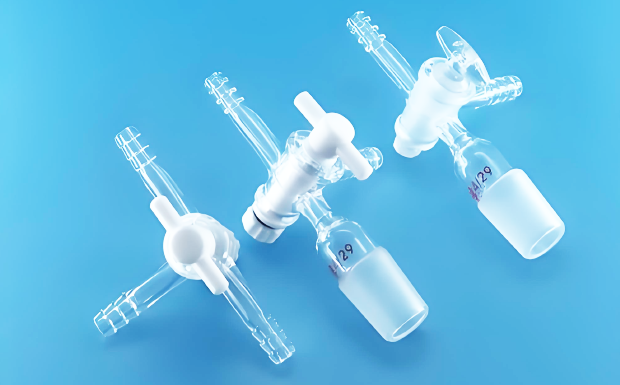
Glass Joints
Glass connectors are commonly used glassware connection components in laboratories, mainly used to connect experimental equipment such as condensers and distillation apparatus. The most common material is high borosilicate glass, which has high temperature resistance and corrosion resistance.
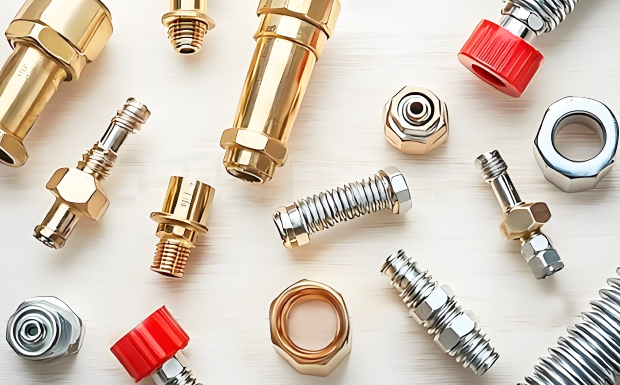
Metal Joints
Metal fittings are essential connectors in industrial piping systems, primarily used for sealing connections between pipes, hoses, or equipment. Common materials include stainless steel, brass, and carbon steel, and they can be categorized by structure into threaded, flanged, and quick-connect types. Stainless steel fittings offer strong corrosion resistance and are suitable for the chemical industry; brass fittings have good electrical conductivity and are often used in electrical equipment; carbon steel fittings offer high strength.
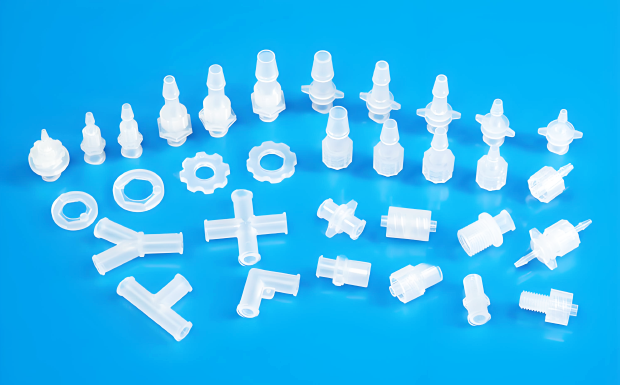
Plastic Connector
Plastic fittings are commonly used connectors in piping systems, mainly made of materials such as PVC, PP, and PE. They are characterized by corrosion resistance, light weight, and good insulation. Common types include threaded, socket, flanged, and quick-connect fittings, suitable for industries such as chemical, water treatment, and food processing.
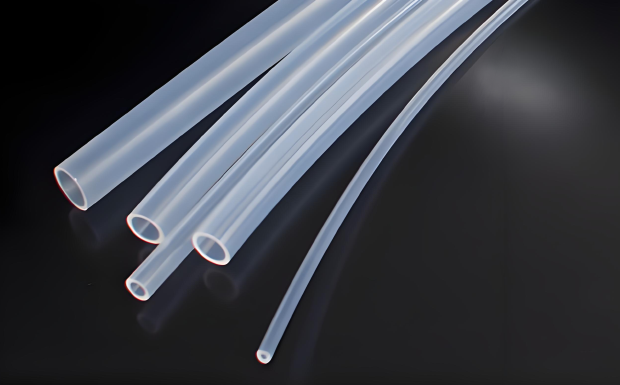
Fluororesin Tube
Fluoropolymer tubing is a high-performance specialty plastic tubing, primarily made of materials such as polytetrafluoroethylene (PTFE). It possesses excellent corrosion resistance, high-temperature resistance, and insulation properties. Common specifications include inner diameters ranging from 3mm to 100mm, and an operating temperature range of -200℃ to +260℃. It can withstand corrosive media such as strong acids and alkalis. These tubing types are widely used in fluid transport systems in chemical, semiconductor, and medical fields.
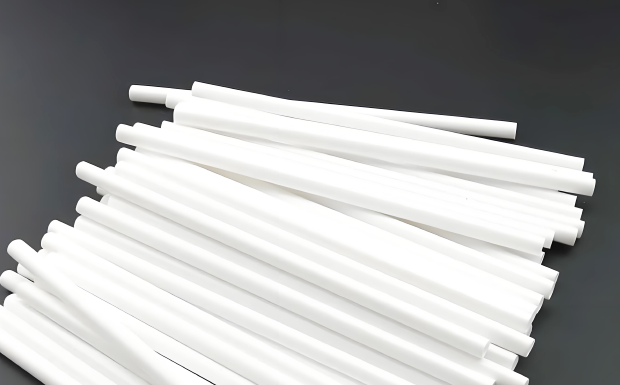
Plastic Tube
There are many types of plastic pipes, with common materials including PVC, PP, PE, and ABS. They are widely used in laboratory drainage, fluid transportation, and liquid transfer. PVC pipes are highly corrosion-resistant, PP pipes have good high-temperature resistance, and PE pipes have excellent flexibility. Different materials of plastic pipes have different characteristics in terms of pressure resistance (0.6-1.6MPa), operating temperature, and other parameters.
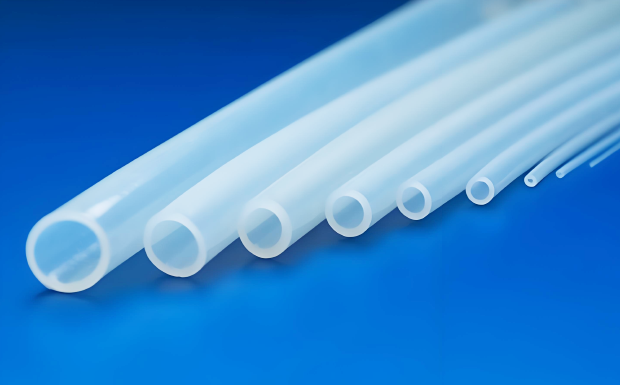
Silicone Tube
Silicone tubing is a flexible conduit widely used in medical, food, and industrial fields. It features high temperature resistance (-60℃~250℃), corrosion resistance, and is non-toxic and odorless. Common specifications include inner diameters of 1mm-100mm and wall thicknesses of 0.5mm-10mm. Transparent and colored options are available upon request. Medical-grade silicone tubing must comply with FDA certification, while industrial tubing prioritizes pressure resistance (typically 0.3-0.8MPa).
Selecting Products Filters
Thank you for your interest. The product will be available soon.