
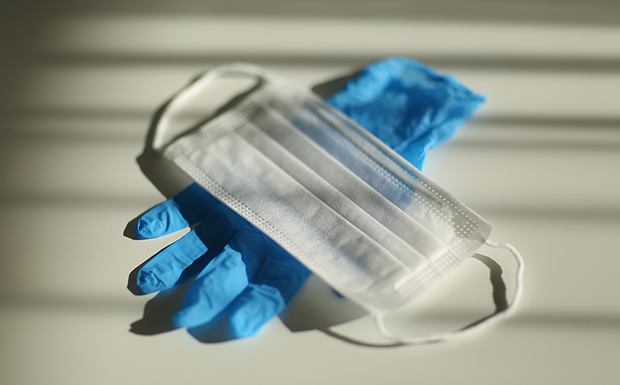
Howei provides high-quality eye, face, head, hand, respiratory, and full-body protective equipment, including laboratory eye protection, eye guards, impact-resistant eye protection, microwave protection, laser safety glasses, and X-ray, chemical, and dust protection gear. These products are designed to protect workers' eyes, face, and body from injuries sustained during experiments and from external sources.
Explore more Categories
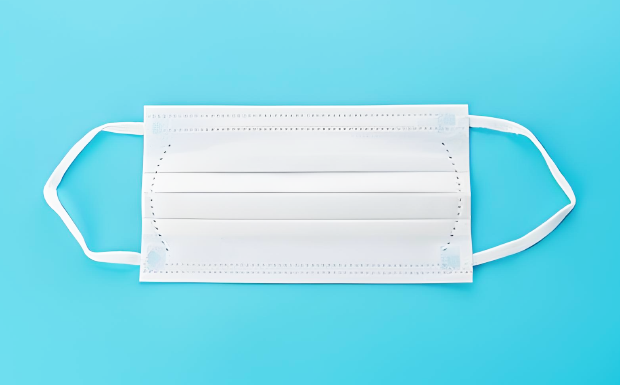
Face Mask
Laboratory masks are essential safety equipment in laboratories, primarily used to block pollutants such as dust, droplets, and aerosols. Common laboratory masks include surgical masks, N95 protective masks, and KN95 masks, with N95 masks filtering at least 95% of non-oily particulate matter. Laboratory masks typically use a multi-layered non-woven fabric structure and meet standards such as GB 19083-2010 or EN 14683.
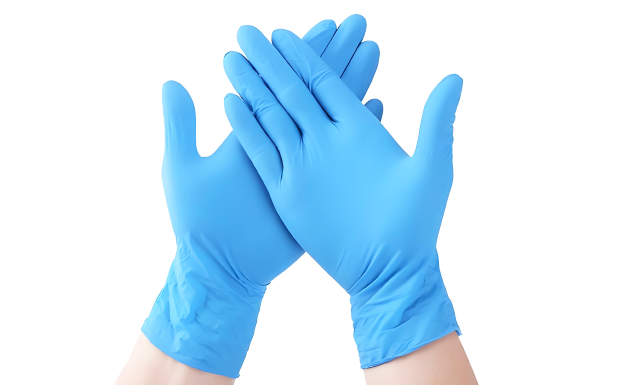
Gloves
Laboratory gloves are essential protective equipment in laboratories, mainly divided into three categories: latex gloves, nitrile gloves, and PVC gloves. Latex gloves offer good elasticity but may cause allergies; nitrile gloves are highly resistant to chemical corrosion; and PVC gloves are economical and suitable for short-term use. Laboratory gloves must meet protective standards such as EN374, and different thicknesses and lengths should be selected according to the experimental requirements.

Head Cover/Helmet
Balaclavas are primarily used to protect against splashes and dust during experiments. They are commonly made of non-woven fabric or polyethylene, and are breathable and disposable. Helmets are essential personal protective equipment, mainly used to protect the head. Common types include safety helmets, riot helmets, and fire helmets. They are mostly made of ABS engineering plastics or high-strength composite materials, offering impact resistance and puncture resistance. Helmets typically feature adjustable linings and comfortable, breathable designs; some professional models also integrate communication devices or night vision equipment supports.
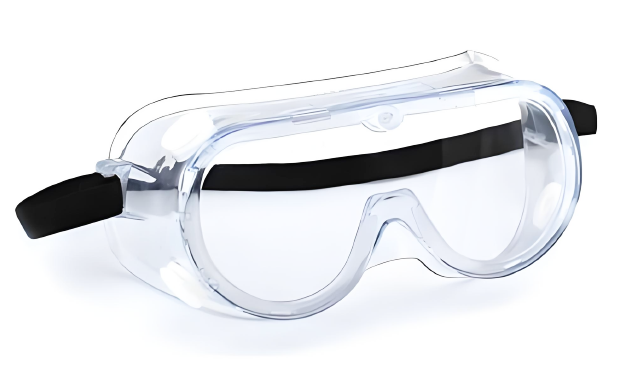
Protective Goggles
Protective goggles are essential personal protective equipment in laboratories, industrial production, and other settings, primarily used to protect the eyes from splashes, chemical liquids, dust, and other harmful substances. Common types of protective goggles include impact-resistant goggles, chemical-resistant goggles, and anti-fog goggles, mostly made of polycarbonate, which offers high light transmittance and impact resistance.

Protective Mask
Protective face shields are essential facial protection equipment, primarily used to block splashes, chemical liquids, and dust from harming the face. Common types include full-face shields, half-face shields, and welding shields, and are mostly made of polycarbonate or polypropylene, offering high light transmittance and impact resistance.

Sleeves
Arm sleeves are protective gear used to protect the arms, typically made of durable, waterproof materials such as PVC, rubber, or canvas. Industrial arm sleeves are commonly 30-50cm long and 15-25cm wide, some with elastic bands or Velcro for fastening, suitable for machine operation, chemical processing, and other similar scenarios. Laboratory-specific arm sleeves prioritize chemical protection and are often made of antistatic fabrics, nitrile, or latex.
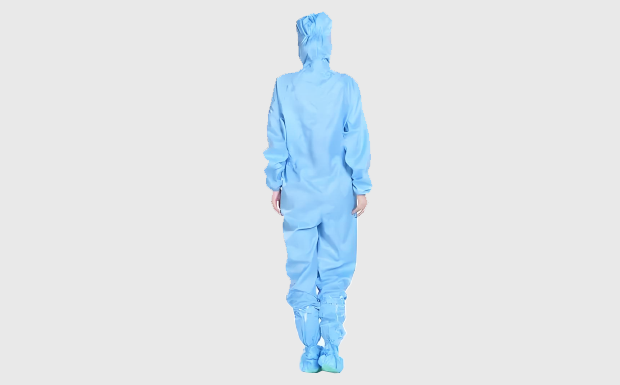
Protective Clothing/Lab Coats
Protective clothing is essential safety equipment in laboratories, and it is mainly divided into three categories: chemical protective clothing, biological protective clothing, and physical protective clothing. Chemical protective clothing is made of polypropylene or polyethylene composite material, which can resist acid and alkali corrosion; biological protective clothing is mostly made of disposable non-woven fabric and has anti-permeability function; physical protective clothing focuses on fire resistance and anti-static properties.
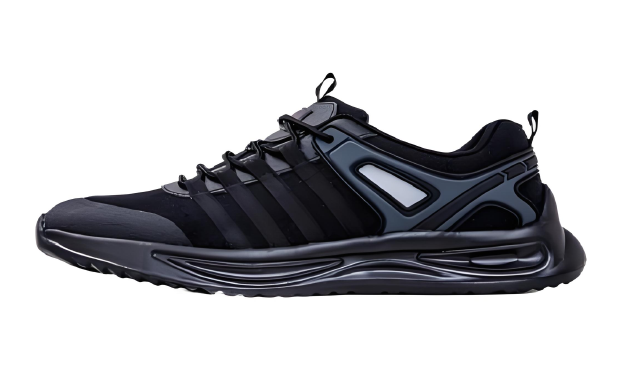
Protective Shoes
Protective footwear is an important piece of personal protective equipment, primarily used to protect the feet from injuries caused by falling objects, sharp objects, chemicals, etc. Common types of protective footwear include impact-resistant shoes (steel-toed shoes), puncture-resistant shoes, anti-static shoes, and acid and alkali-resistant shoes, all of which must comply with the national standard GB21148. The soles are mostly made of polyurethane or rubber, which have anti-slip and wear-resistant properties.
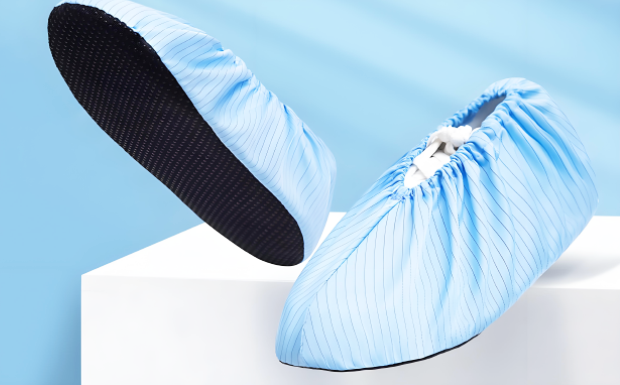
Shoe Covers
Laboratory shoe covers are commonly used protective equipment in laboratories, primarily used to prevent dust, liquids, and other contaminants from polluting the laboratory environment, while also protecting the safety of laboratory personnel. Common materials include non-woven fabric and PE plastic, which offer anti-static and anti-slip properties.

Earplugs/Earmuffs
Earplugs/earmuffs are primarily used for noise protection in industrial settings. Common types include foam earplugs, silicone earplugs, and over-ear noise-canceling earmuffs. Foam earplugs typically offer a noise reduction ratio (NRR) of 25-33 dB, suitable for mid-to-high frequency noise; silicone earplugs are reusable and waterproof; over-ear earmuffs can achieve an NRR of over 30 dB, suitable for extended wear. For precision environments such as laboratories, it is recommended to choose professional noise-canceling earmuffs with a low-pressure design to avoid discomfort.
Selecting Products Filters
Thank you for your interest. The product will be available soon.