
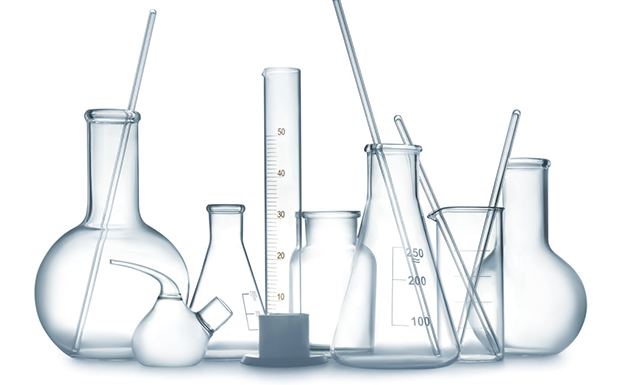
Laboratory chemistry relies heavily on glassware to mix, separate, condense, or otherwise contain and handle chemicals and their environment to create the desired reaction conditions. From ampoules to volumetric flasks and complete distillation systems, we have chemical glassware to suit your analytical needs.
Welcome to our curated selection of glassware for life science platforms and experience our one-stop sourcing service.
Welcome to our curated selection of glassware for life science platforms and experience our one-stop sourcing service.
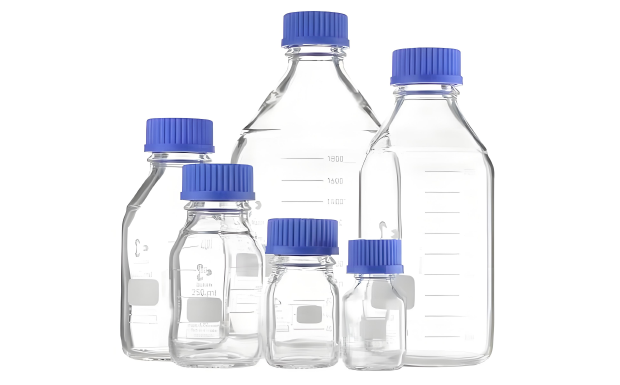
Reagent Bottles
We offer a variety of glass reagent bottles in different colors, shapes, and for different purposes, including wide-mouth, narrow-mouth, brown, transparent, ground glass, and unground glass. Our products are made of silicate glass, borate glass, and phosphate glass to meet various needs.
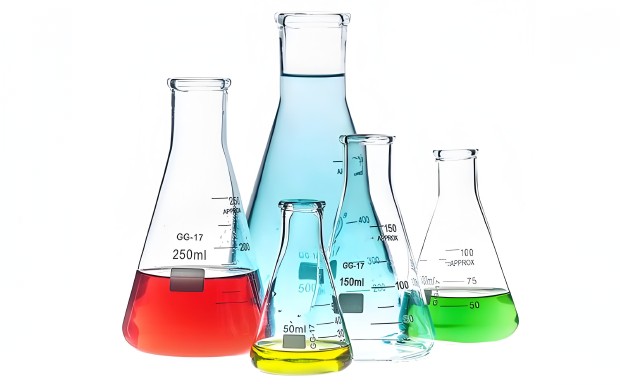
Erlenmeyer Flask
An Erlenmeyer flask, also known as a conical flask, is a titration reactor made of hard glass with a triangular longitudinal section. Its narrow opening and wide base facilitate thorough reaction during titration with minimal spillage, even when shaken. This container can be heated in a water bath or on an electric furnace.
Explore more Categories
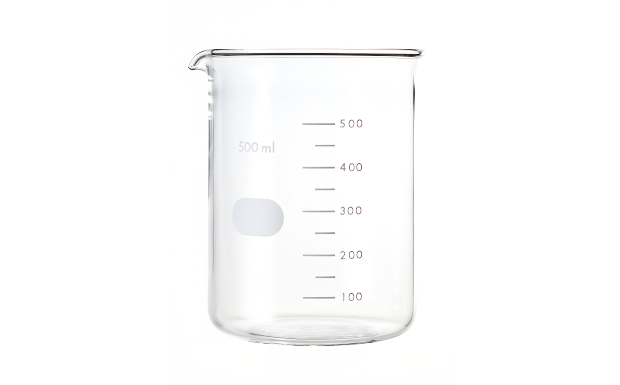
Beaker/Measuring Cup
A glass beaker is a common laboratory glassware made of glass or heat-resistant glass. It is cylindrical with a notch on one side of the top for easy pouring of liquids. Glass beakers are widely used for heating, dissolving, mixing, boiling, melting, evaporating and concentrating, diluting, and clarifying precipitation of chemical reagents.
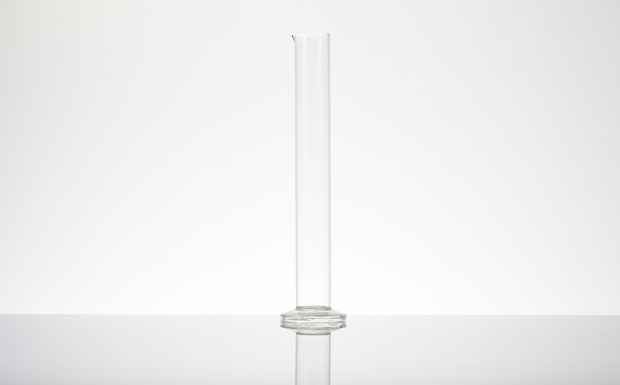
Graduated Cylinder
A graduated cylinder is a glass instrument used to measure liquids. It measures the volume of liquids. Its specifications are indicated by the maximum capacity (mL) it can measure, commonly ranging from 10 to 1000 mL. The larger the graduated cylinder and the thicker its diameter, the lower its accuracy, and the greater the reading error caused by line-of-sight deviations.
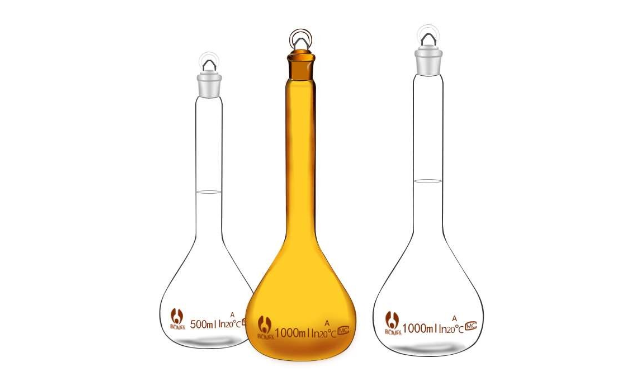
Volumetric Flask
A volumetric flask is a pear-shaped, flat-bottomed volumetric flask with a narrow neck and a ground glass stopper. It has a graduation mark on the neck indicating that at the specified temperature, when the concave meniscus of the liquid is tangent to the graduation mark on the neck of the flask, the volume of the solution is exactly equal to the volume marked on the flask. Volumetric flasks are marked with: temperature, volume, and graduation marks.
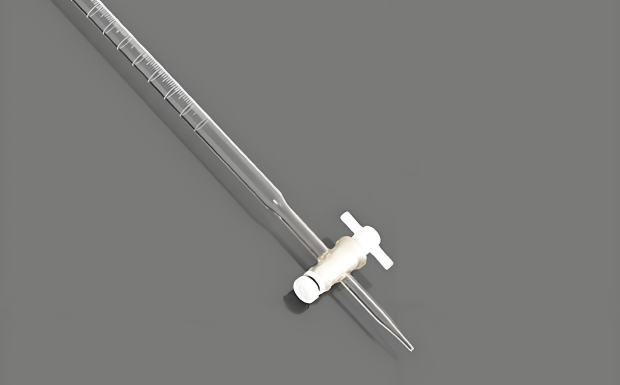
Burette
The burette is the main measuring instrument used in titration analysis. It can be divided into acid burettes, alkaline burettes, and polytetrafluoroethylene (PTFE) universal acid-base burettes.
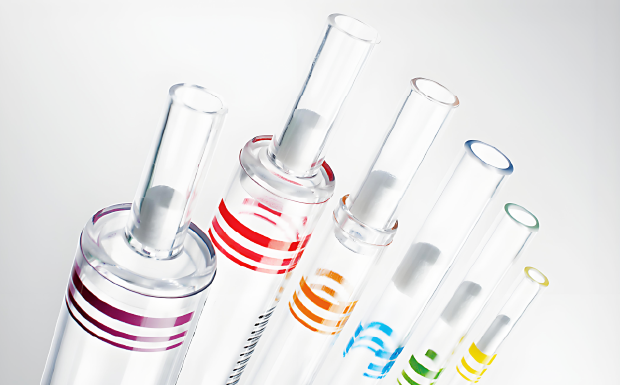
Pipette
A pipette (also known as a volumetric pipette) is a commonly used laboratory glass instrument for accurately transferring specific volumes of solution. It is widely used in titration analysis and quantitative control experiments. The tube is widened in the middle, with a pointed tip at the bottom and markings at the neck. Precise quantitative transfer is achieved by controlling the liquid level. Common sizes include 5, 10, 25, and 50 mL.
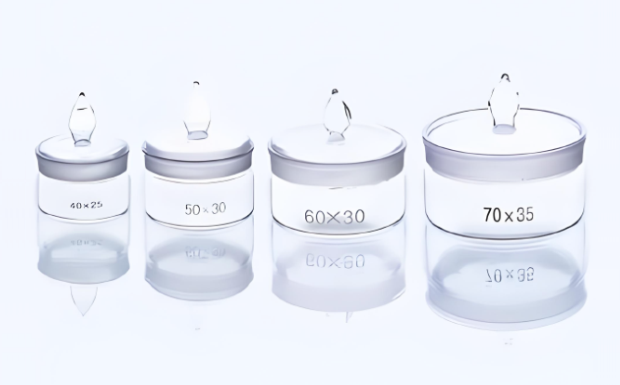
Weighing Dish
Weighing dishes are commonly used glassware in laboratories, mainly used for weighing samples that are hygroscopic, easily oxidized, or easily react with carbon dioxide using the difference method. They are made of ordinary glass, quartz glass, and PP plastic, and come in two types: tall and flat. Tall dishes are suitable for weighing reference materials and samples, while flat dishes are mostly used for determining moisture content or drying reference materials.
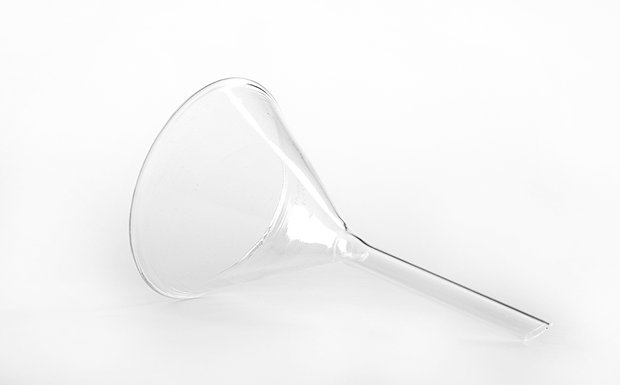
Funnel
A funnel is a cylindrical object used to pour liquids or fine powders into a container with a narrow opening. Funnels are indispensable instruments in filtration experiments. During filtration, filter paper is usually placed inside the funnel.
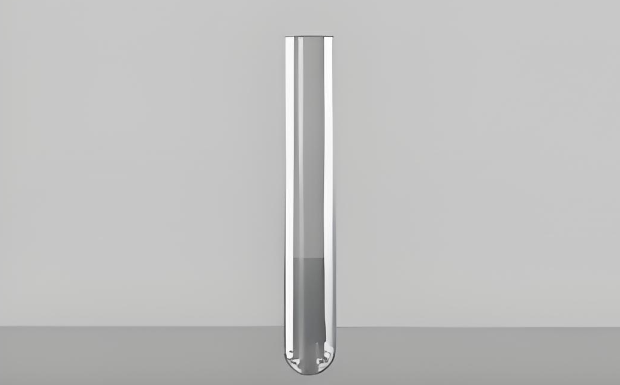
Test Tube
Glass test tubes are common instruments in chemical laboratories, used as reaction containers for small amounts of reagents. They are used at room temperature or when heated (preheating is necessary to prevent the tubes from cracking). Test tubes come in various types, including ordinary test tubes, test tubes with arms, and centrifuge tubes.
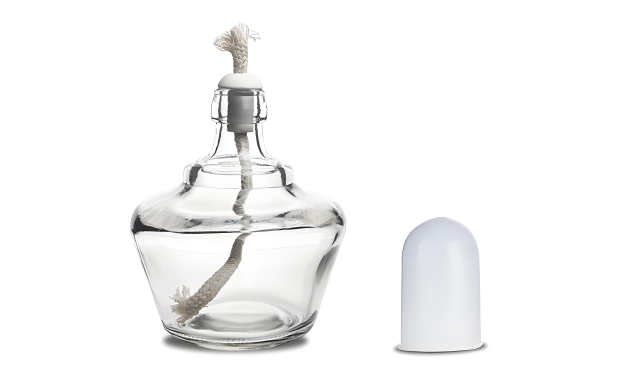
Alcohol Lamp
An alcohol lamp is a heating tool that uses alcohol as fuel and is widely used in laboratories, factories, medical settings, and scientific research. Because it does not produce smoke during combustion, it can also be used to sterilize instruments by burning them. Furthermore, the heat generated during the combustion of an alcohol lamp can be used to heat other experimental materials.
Selecting Products Filters
Thank you for your interest. The product will be available soon.