
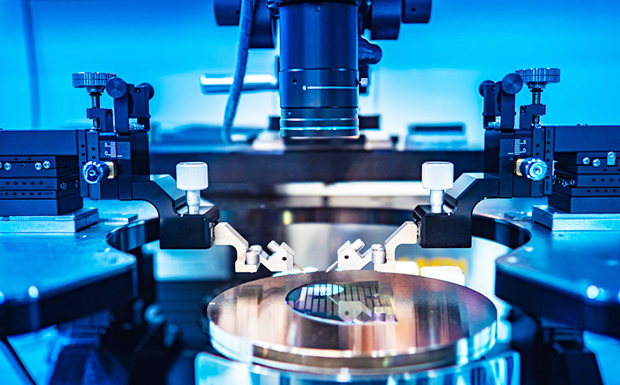
Experimental instruments are the instruments used in specific experiments in the natural sciences, primarily in physics, chemistry, and biology. We provide a wide range of experimental and research instruments, including laboratory centrifuges, balances, thermal analysis instruments, dynamic testing instruments, vacuum instruments and devices, electrophoresis apparatus, casting testing instruments, strain gauges, environmental testing equipment, geotechnical testing instruments, acoustic instruments, and ceramic testing instruments.
Explore by Category
Explore more Categories
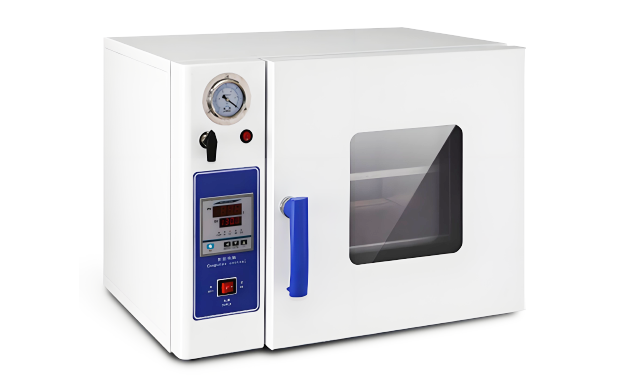
Drying Oven/Constant Temperature Bath
Drying ovens/thermostatic baths are common laboratory equipment, mainly used for sample drying, material heat treatment, or constant temperature experiments. Drying ovens typically have a temperature range from room temperature to 300℃, while thermostatic baths can precisely control the temperature within ±0.1℃. Common volumes range from 20L to 1000L, and they are mostly made of stainless steel with digital temperature control systems and overheat protection devices.
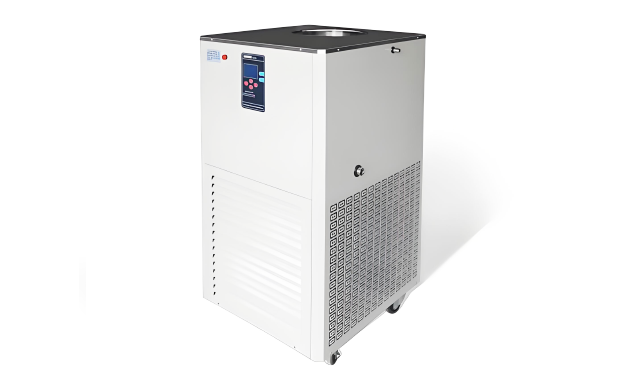
Heating/Cooling Equipment
Laboratory heating/cooling equipment is the core component of a laboratory temperature control system, mainly including constant temperature water baths, circulating coolers, and muffle furnaces. Constant temperature water baths typically range from room temperature to 100°C, circulating coolers can reach temperatures from -30°C to room temperature, and muffle furnaces can reach temperatures exceeding 1200°C. These devices are widely used in chemical synthesis, biological culture, and other applications requiring precise temperature control.
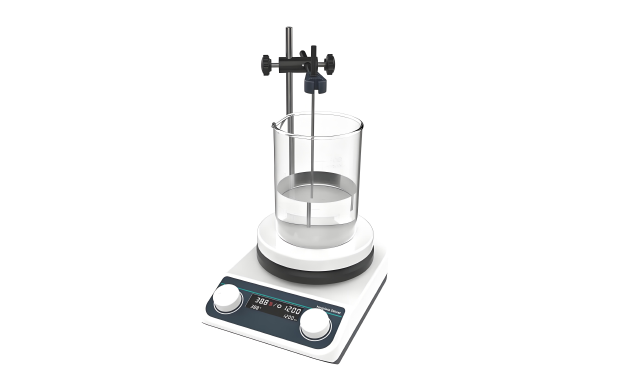
Stirring/Mixing/Oscillator
Laboratory stirrers/mixers/shakers are key equipment for laboratory sample processing, mainly used in scenarios such as solution mixing, solid dissolution, and cell culture. Common types include magnetic stirrers (speed 100-1500 rpm), overhead stirrers (torque 5-100 N·cm), and orbital shakers (amplitude 3-50 mm).
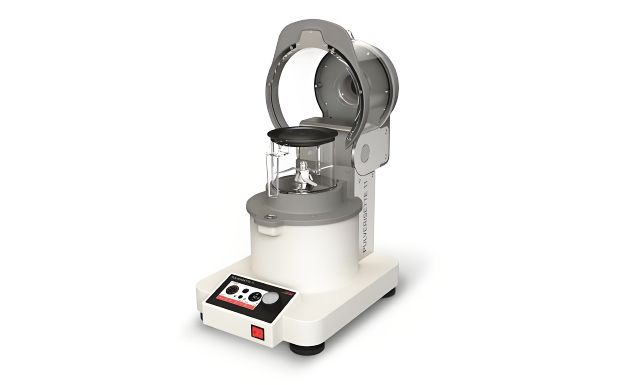
Crushing/Particle Related Instruments
Crushing/granulation equipment mainly includes jaw crushers, hammer crushers, ball mills, and air jet mills, suitable for crushing materials of varying hardness. Granulation equipment commonly includes granulators, pellet mills, and particle grading screens, allowing for the selection of dry or wet granulation processes based on material characteristics. These are widely used in the chemical, pharmaceutical, and food industries, and selection typically requires consideration of material characteristics, production requirements, and particle fineness.
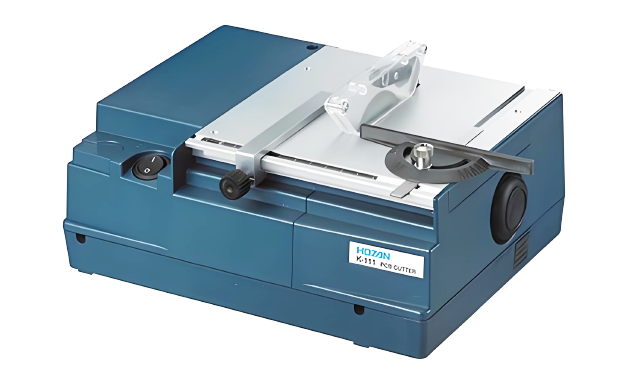
Grinding/Cutting/Surface Treatment Equipment
Grinding/cutting/surface treatment equipment mainly includes grinding machines, cutting machines, and polishing machines, and is widely used in metal processing, stone processing, and other fields. Grinding equipment, such as surface grinders and cylindrical grinders, can achieve high-precision processing; cutting equipment, including laser cutting machines and plasma cutting machines, is suitable for different materials; surface treatment equipment, such as sandblasting machines and electroplating equipment, can improve the surface properties of materials.
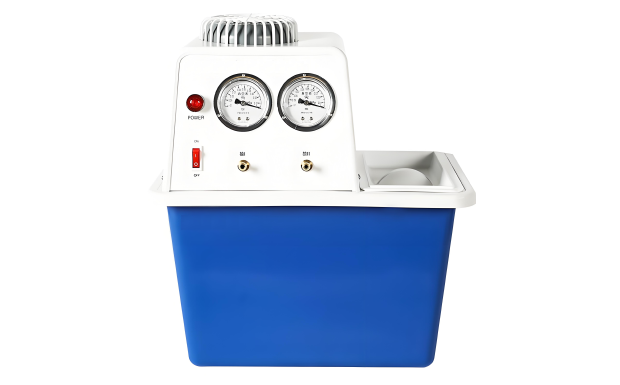
Extraction/Pressurization/Decompression Pump
Pumps for extraction/pressurization/pressure reduction are commonly used fluid transfer devices in industrial processes, mainly categorized into centrifugal pumps, plunger pumps, and diaphragm pumps. Centrifugal pumps are suitable for high-flow, low-pressure applications, plunger pumps are ideal for high-pressure, precise delivery, and diaphragm pumps excel at handling corrosive media. Key parameters include flow rate (1-1000 m³/h), pressure (0.1-40 MPa), and material (stainless steel/engineering plastics).
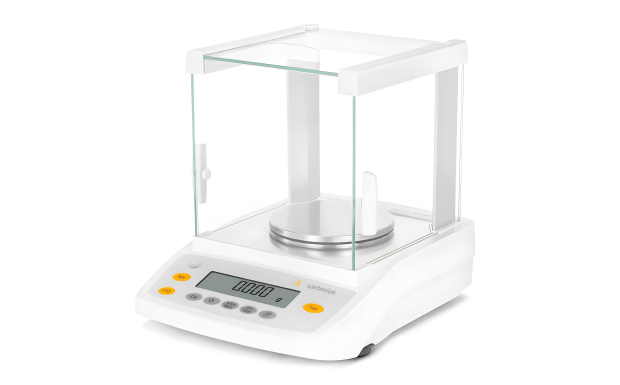
Balance and Related Accessories
Balances are precision weighing instruments commonly used in laboratories, mainly divided into two categories: electronic balances and mechanical balances. Electronic balances can achieve an accuracy of 0.1mg-0.01g and have automatic calibration functions; mechanical balances work based on the lever principle and are commonly found in teaching settings. Related accessories include windproof covers, weighing pans, calibration weights, etc.
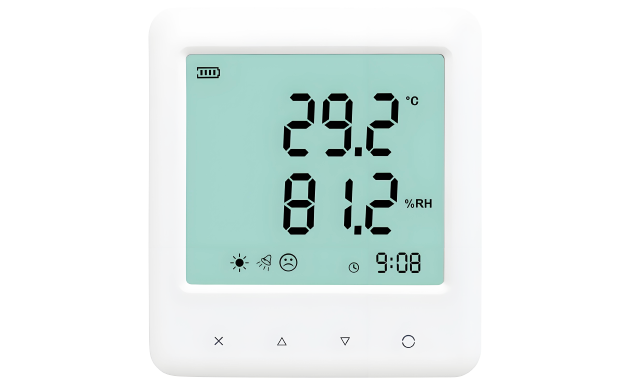
Temperature and Humidity Measuring Instruments
Temperature and humidity measuring instruments are specialized devices used to measure ambient temperature and humidity. Common types include mechanical thermometers and hygrometers, electronic temperature and humidity recorders, and intelligent monitoring instruments with data storage capabilities. Mechanical thermometers and hygrometers typically use bimetallic strips and hair bundles as sensing elements and are suitable for routine environmental monitoring. Electronic temperature and humidity recorders achieve high-precision measurements through digital sensors, with a measurement range typically between -40℃ and 85℃ and 0%RH, and an accuracy of ±0.5℃ and ±3%RH. Intelligent monitoring instruments also support wireless transmission and cloud data management functions.
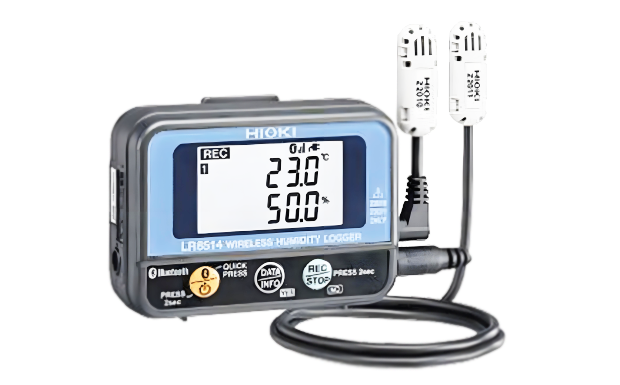
Data Logging Instruments
Data logging instruments are specialized devices used to collect, store, and transmit experimental data. Common types include portable data loggers, wireless data acquisition devices, and industrial-grade data logging systems. These instruments typically feature multi-channel input, high sampling frequencies (up to 100kHz), large-capacity storage (supporting GB levels), and multiple communication interfaces (such as USB, WiFi, and 5G).
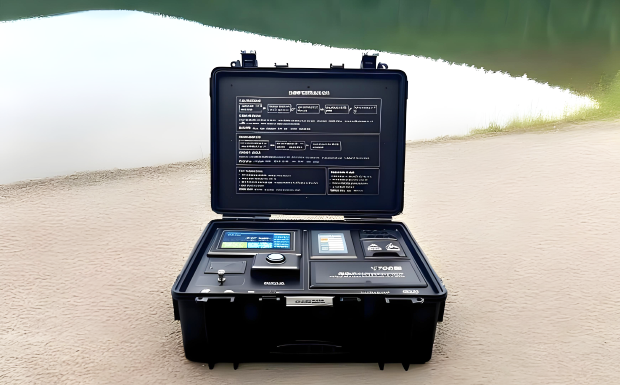
Water Quality/Soil Testing Equipment
Water and soil testing instruments are essential tools in environmental monitoring and agriculture, primarily used to analyze pollutant content, nutrient composition, and other indicators in water or soil. Common water quality testing instruments include pH meters, COD meters, BOD meters, and heavy metal detectors; soil testing instruments include rapid soil nutrient analyzers, heavy metal detectors, and soil moisture meters. These instruments typically employ electrochemical and spectroscopic detection principles, achieving a detection accuracy of up to 0.01 mg/L.
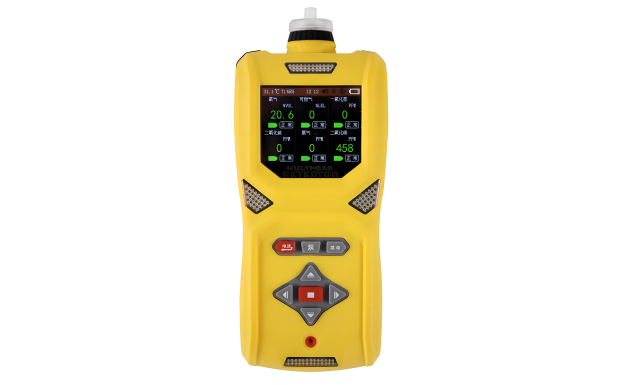
Atmosphere/Gas Detection Instruments
Atmospheric/gas detection instruments are widely used in environmental monitoring, industrial safety, and laboratory analysis, and mainly include portable gas detectors, stationary gas monitoring systems, and multi-parameter gas analyzers. Commonly detected gases include oxygen, combustible gases, toxic gases (such as CO and H2S), and VOCs. Detection principles primarily utilize electrochemical, infrared, and semiconductor sensing technologies, with accuracy down to 0.1 ppm.
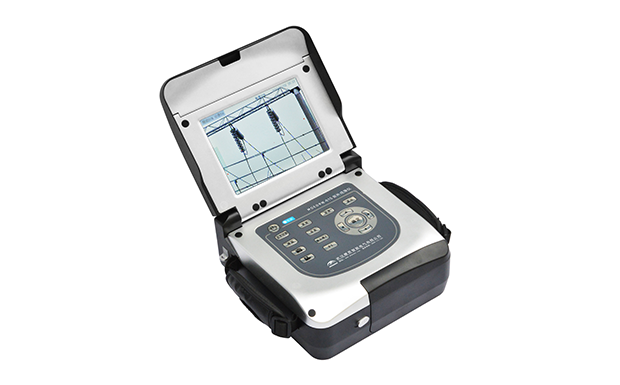
Natural Environment Testing Equipment
Natural environment monitoring instruments are mainly used to monitor environmental elements such as air, water quality, and soil. Common types include air quality monitors, water quality analyzers, and noise detectors. These instruments typically have high-precision sensors that can monitor parameters such as PM2.5, temperature, humidity, and VOCs in real time, and some devices support remote data transmission.
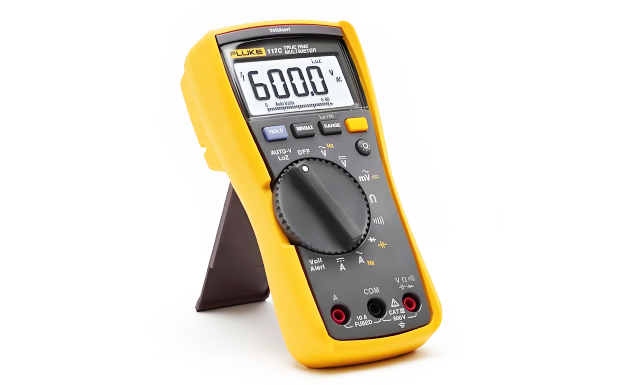
Electrical Measuring Instruments
Electrical measuring instruments are devices used to measure electrical parameters such as voltage, current, and resistance. Common types include multimeters, oscilloscopes, and insulation resistance testers. These instruments are widely used in fields such as power system maintenance and electronic equipment repair.
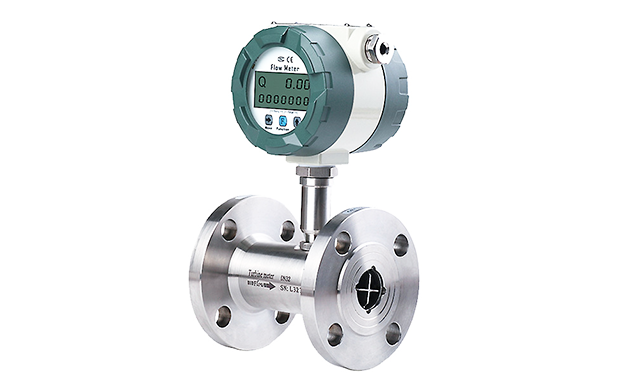
Physical Property/Quantity Measuring Instruments
Instruments for measuring physical properties/physical quantities are precision devices used to measure parameters such as the mechanical properties and thermal characteristics of materials. Common types include hardness testers, tensile testing machines, and thermal analyzers. Hardness testers can measure Brinell/Rockwell/Vickers hardness, tensile testing machines can measure tensile strength, elongation, and other indicators, while thermal analyzers are used to determine thermal parameters such as melting point and glass transition temperature. These instruments are widely used in materials research and development, quality inspection, and other fields.
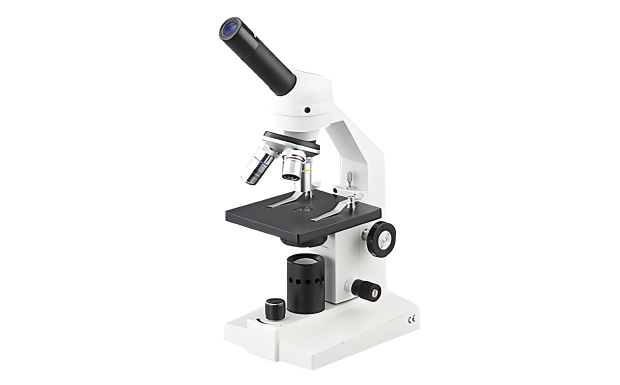
Microscopes/Optical Related Equipment
Microscope/optics-related equipment mainly includes optical microscopes, electron microscopes, and fluorescence microscopes, used for observing microstructures and analyzing samples. Optical microscopes are suitable for routine laboratory observations, while electron microscopes offer higher resolution and are suitable for nanoscale observations.
Selecting Products Filters
Thank you for your interest. The product will be available soon.